When we think about education, walls might not be the first thing that comes to mind. Yet, walls play a crucial role in shaping how learning spaces function and influence student experiences. From physical walls defining classrooms to metaphorical walls in educational accessibility, the concept of a “wall” is layered with meaning in the realm of education. This article explores the multifaceted significance of walls within educational settings, their evolution, and how they impact teaching and learning.
The Physical Wall: Foundations of the Learning Space
At its most basic level, a wall is a physical structure that encloses a room. In schools, walls separate classrooms, create hallways, and secure spaces. These structural elements directly affect the educational environment.
How Classroom Walls Influence Learning
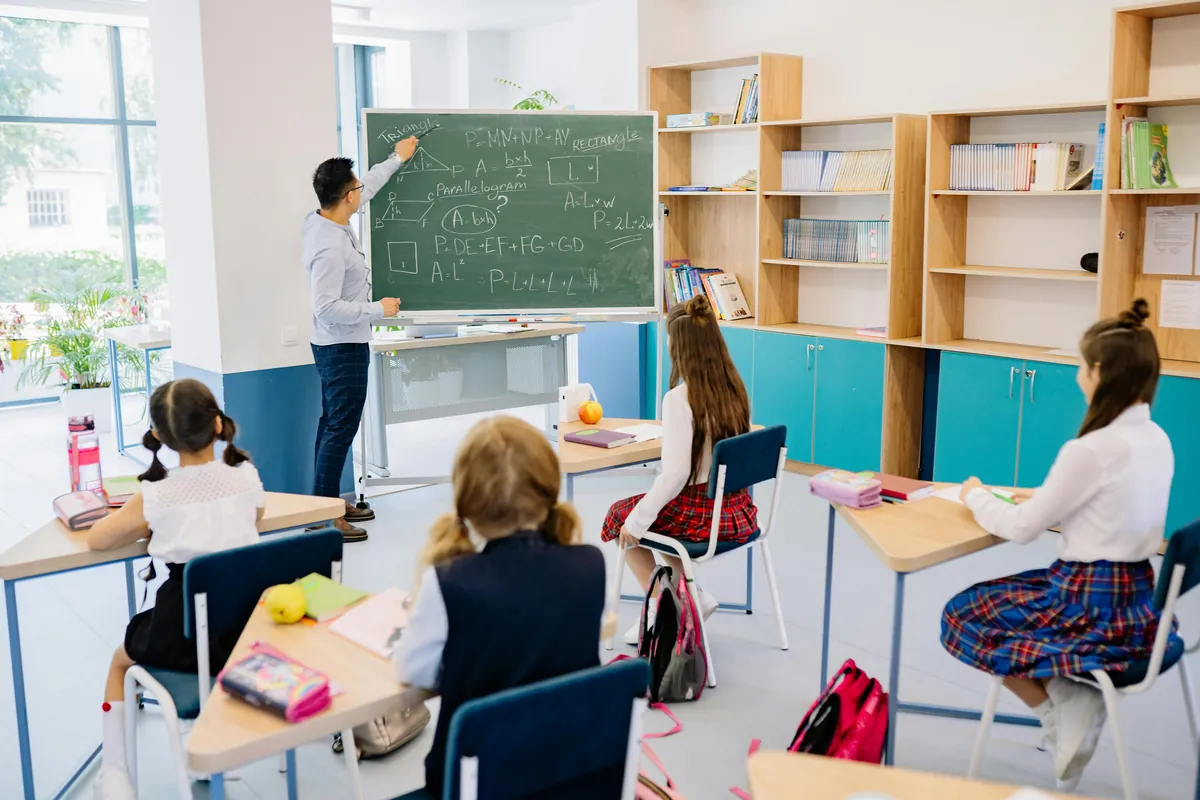
Walls define the boundaries of a classroom, creating a contained area where focus and interaction happen. The materials, colors, and decorations on walls can either enhance or hinder student engagement. For example, brightly colored and well-decorated walls with educational posters, student artwork, or interactive displays contribute to a stimulating environment. In contrast, bare or poorly maintained walls can create a dull atmosphere that affects motivation.
Acoustics are another consideration. Walls that poorly insulate sound can lead to noise disturbances, affecting concentration. Modern school designs often incorporate soundproofing techniques in walls to reduce distractions, especially in open-plan classrooms or shared learning spaces.
The Evolution of Wall Design in Schools
Historically, school walls were bare and utilitarian, designed solely for containment and protection. However, as educational theories evolved, there has been a shift toward creating more inviting and adaptable spaces. Movable walls and partitions allow classrooms to be reconfigured quickly for group work, presentations, or individual study zones. This flexibility supports varied teaching methods and encourages collaboration.
Walls as Symbolic Barriers in Education
Beyond their physical presence, walls symbolize challenges and barriers in education access and equity. Understanding these metaphorical walls is vital to creating inclusive learning environments.
Socioeconomic Walls: Barriers to Educational Access
Socioeconomic status often creates invisible walls that limit students’ opportunities. For instance, children from low-income families may lack access to quality schools, experienced teachers, or necessary learning materials. These walls affect academic achievement and long-term prospects, underscoring the importance of policies aimed at reducing educational disparities. Khan Academy education
Cultural and Language Walls
Students from diverse cultural or linguistic backgrounds sometimes face walls in the form of language barriers or cultural misunderstandings. These obstacles can isolate students and impede their full participation. Schools that embrace multicultural education and provide language support break down these walls, fostering inclusivity and improving learning outcomes.
Technological Walls and Digital Education
In the digital age, walls have taken on new connotations related to technology and connectivity in education.
Bridging the Digital Divide
One of the most significant modern educational walls is the digital divide—the gap between those with reliable internet access and technology, and those without. This divide became especially evident during the COVID-19 pandemic, when remote learning became the norm. Students lacking devices or Wi-Fi face a wall that prevents participation in virtual classrooms.
Efforts to provide devices, improve broadband infrastructure, and offer digital literacy training aim to dismantle these technological walls, ensuring equitable access to education in an increasingly online world.
Digital Walls: Security and Privacy Concerns
On the other side, walls in the digital domain include firewalls and security protocols designed to protect student data and maintain safe learning environments. Schools must balance open access for learning with the need to protect information and prevent cyberbullying or unauthorized access.
Creative Use of Walls to Enhance Education
Walls can also be powerful tools to enrich educational experiences through creativity and interactivity.
Interactive and Smart Walls
Technological advancements have given rise to interactive walls and smartboards, turning traditional surfaces into engaging learning platforms. These walls allow for touch interaction, multimedia presentations, and real-time collaboration. They support diverse learning styles and can make lessons more dynamic and memorable.
Community and Collaborative Walls
Walls often serve as communal spaces in schools—bulletin boards, idea walls, or “wall of fame” displays celebrate student achievements and community events. Collaborative walls, where students add notes, questions, or art, encourage active participation and foster a sense of belonging.
Conclusion: Walls as More Than Mere Structures in Education
Whether physical, symbolic, or digital, walls are integral to the educational landscape. They define spaces and boundaries, present challenges, and offer opportunities for creativity and growth. Understanding the role of walls helps educators, administrators, and policymakers design better learning environments that empower all students to succeed.
Frequently Asked Questions
What role do classroom walls play in student learning?
Classroom walls influence acoustics, lighting, and the overall learning atmosphere. When thoughtfully designed and decorated, they can boost engagement, reduce distractions, and create a welcoming environment.
How do socioeconomic walls affect education?
Socioeconomic walls refer to barriers related to income and resources that limit students’ access to quality education, impacting their academic performance and future opportunities.
What is the digital divide, and why is it important in education?
The digital divide is the gap between those who have access to digital devices and the internet and those who do not. It is crucial because it affects students’ ability to participate in modern, technology-driven learning.
How can schools use walls creatively to improve learning?
Schools can create interactive walls, incorporate technology like smartboards, and use walls as spaces for student collaboration and community-building to make education more engaging.
Why is it important to address cultural and language walls in schools?
Addressing these walls ensures that all students feel included and are able to fully participate, which improves academic outcomes and fosters a supportive learning environment.