The rise of remote working has shifted the traditional boundaries between work and travel. More than just a trend, it’s revolutionizing how people experience new places and balance their professional and personal lives. As technology enables employees to work from almost anywhere, travel is no longer confined to vacations or short breaks. Instead, it has become an integrated part of everyday life for millions worldwide.
Understanding how remote working affects travel can help both workers and travel providers adapt to a new reality. Whether you are a digital nomad, a freelancer, or a corporate employee with flexible policies, knowing the opportunities and challenges of remote working is essential. This article explores the intersection of remote working and travel, highlighting how the trend empowers people to explore the world while staying productive.
The Rise of Remote Working: A New Era for Travelers
What Remote Working Means Today
Remote working is no longer just a perk or an emergency response—it’s becoming a permanent feature of the modern workforce. Advances in communication tools, cloud technologies, and project management software make it possible for individuals to maintain their job responsibilities without being tied to a traditional office.
For travelers, this means the freedom to choose where they live and work. Cities, beach towns, and mountains become potential offices, creating exciting new experiences that blend work and leisure.
Why Remote Working Encourages Travel
The flexibility that remote working provides encourages people to explore places beyond their home cities. Rather than taking limited vacation days, remote workers can extend stays in destinations that inspire or relax them. This shift promotes longer trips and deeper cultural immersion compared to typical tourism.
Many remote workers seek environments that foster creativity and well-being. Locations with strong internet connectivity, coworking spaces, and community hubs have seen increased demand. Countries and regions are recognizing this trend and are actively attracting remote workers with special visas and incentives.
Key Benefits of Combining Remote Working and Travel
Improved Work-Life Balance
When work is no longer confined to a desk, people can better integrate their professional duties with travel experiences. This flexibility reduces burnout and increases overall life satisfaction. Remote workers can schedule breaks to explore local culture, enjoy scenic views, or try new activities.
The ability to choose environments that suit one’s productivity style—such as quieter locations or bustling urban centers—also positively impacts performance.
Cost Efficiency and Financial Flexibility
Traveling while working remotely allows individuals to optimize living costs. Some choose destinations with lower expenses compared to their home country, making remote working financially advantageous. For example, living in Southeast Asia or Eastern Europe can be significantly cheaper while maintaining access to quality amenities.
Additionally, remote work opens doors to global job markets, where workers can command wages aligned with developed markets while benefiting from lower-cost living. Exploring the Travel Insights of Ed Ballard WSJ: A Guide to Smarter Journeys
Cultural Exposure and Personal Growth
Balancing work with travel encourages constant learning and adaptation. Remote workers immerse themselves in new cultures, languages, and perspectives. This cultural exposure enhances creativity, empathy, and problem-solving—skills that can directly benefit career advancement.
Challenges Remote Workers Face When Traveling
Connectivity and Infrastructure Issues
Reliable internet access is the backbone of remote working, yet it’s not always guaranteed during travel. Some popular travel destinations may lack stable broadband, making video calls and large data transfers difficult.
Choosing accommodations and locations with strong connectivity is essential. Coworking spaces and digital nomad hubs often provide better infrastructure but may add to travel costs.
Work-Life Boundaries Can Blur
Without a physical office separation, the line between work time and free time can get blurry. Remote workers sometimes struggle with overworking or finding a proper schedule, especially when in stimulating or unfamiliar environments.
Establishing routines and time zones awareness is crucial for maintaining productivity and mental health.
Visa and Legal Considerations
Not all countries allow remote work on tourist visas, and legal requirements for staying and working remotely can be complex. Many governments have introduced specific digital nomad visas, but navigating these options requires careful planning.
Understanding visa limitations and tax implications helps avoid disruptions and ensures compliance.
Popular Destinations for Remote Workers
Asia: A Digital Nomad Paradise
Countries like Thailand, Vietnam, and Bali in Indonesia attract thousands of remote workers annually. They offer vibrant communities, affordable living, and a host of coworking spaces. The tropical climate and exotic surroundings also provide an appealing lifestyle.
Europe: Blending History and Modernity
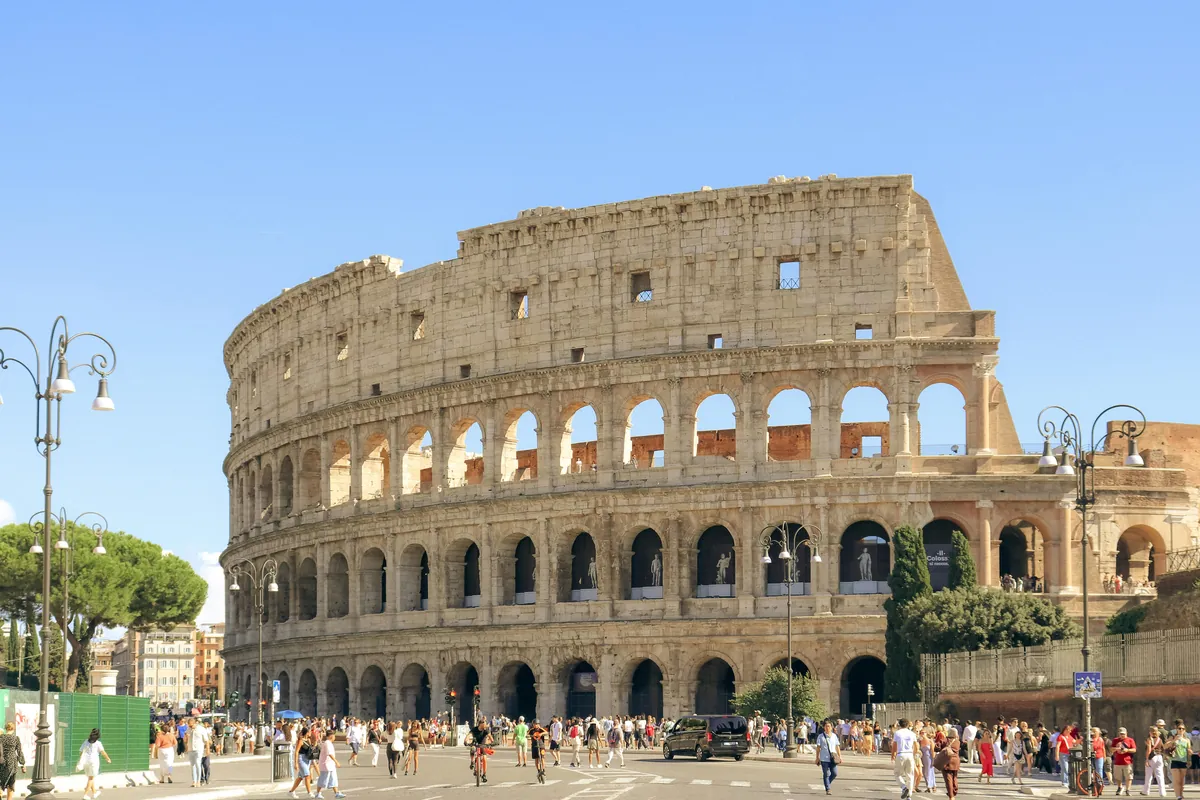
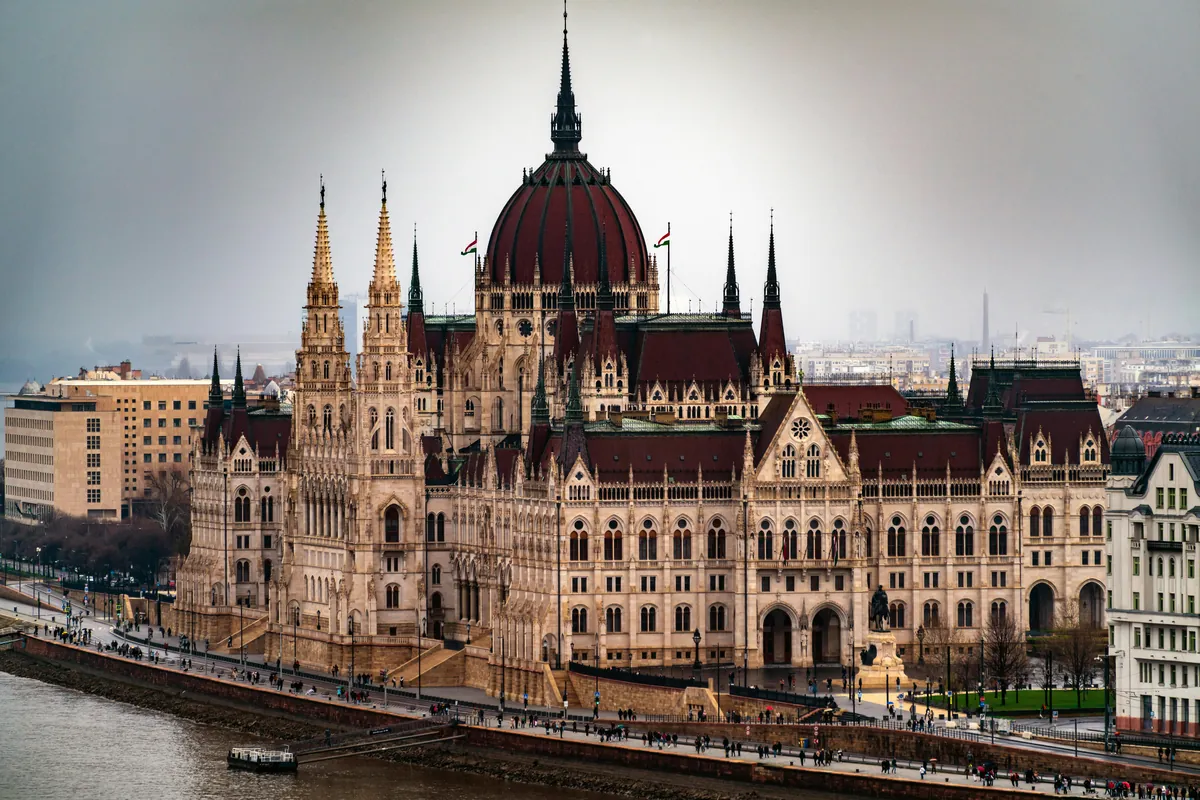
Europe boasts numerous remote work hubs, from Lisbon to Barcelona. The continent’s rich history, cultural diversity, and modern infrastructure make it ideal for remote workers who want to mix travel and productivity. Some countries also offer digital nomad visas to encourage long-term stays.
Americas: Diverse Landscapes and Opportunities
From the beaches of Mexico to the urban hubs of Medellín and Buenos Aires, the Americas provide a variety of options for remote workers. These destinations tend to be welcoming, affordable, and equipped with strong internet connectivity.
Tips for Successfully Working Remotely While Traveling
Plan Your Work Environment
Identify reliable internet sources and quiet spaces before booking accommodation. Coworking spaces or cafes with good reviews from digital nomads can be great options.
Stick to a Routine
Set consistent working hours that align with your team or clients. This helps establish clear boundaries and keeps you accountable. Top Private Wealth Managers: How to Choose the Best Partner for Your Financial Journey
Embrace Local Culture
Use free time to explore and interact with locals. Building a social network helps prevent isolation, which remote workers can sometimes feel.
Manage Time Zones Wisely
Keep an open calendar for meetings and deadlines to avoid surprises. Tools like world clocks can help coordinate across countries.
The Future of Remote Working and Travel
Remote working is likely to continue reshaping how we approach travel. As more companies adopt hybrid or fully remote models, travelers can expect improved infrastructure and tailored services. Destinations will compete for location-independent workers by offering specialized amenities, visa programs, and community events. Wikipedia
This evolution represents a shift toward a more integrated lifestyle, where work and exploration coexist seamlessly. For individuals eager to see the world without sacrificing professional growth, the blend of remote working and travel offers unprecedented possibilities.
FAQ
What is remote working, and how does it differ from telecommuting?
Remote working refers to performing job duties outside a traditional office, often from any location with internet access. Telecommuting is a subset of remote work, usually implying working from home or a fixed non-office location. Remote work is broader and can include working while traveling.
Can anyone become a remote worker while traveling?
While many jobs can be done remotely, not all roles are suited for it. Jobs that involve digital communication and online deliverables are more adaptable. Additionally, some employers require specific policies or contracts allowing remote work.
What are some necessary tools for remote working while traveling?
Reliable internet access, a laptop or mobile device, communication platforms (like Zoom or Slack), and cloud storage (such as Google Drive or Dropbox) are essential. Noise-canceling headphones and portable chargers also help improve productivity on the go.
How can I maintain productivity when working from a new travel destination?
Establish a dedicated workspace, set clear working hours, prioritize tasks, and limit distractions. Scheduling breaks to explore the surroundings helps refresh your mind and avoid burnout.
Are there countries with special visas for remote workers?
Yes, several countries have introduced digital nomad visas or remote worker permits. These visas allow travelers to stay longer while working remotely legally. Examples include Estonia, Barbados, and Portugal. It’s important to research visa requirements before planning your trip.