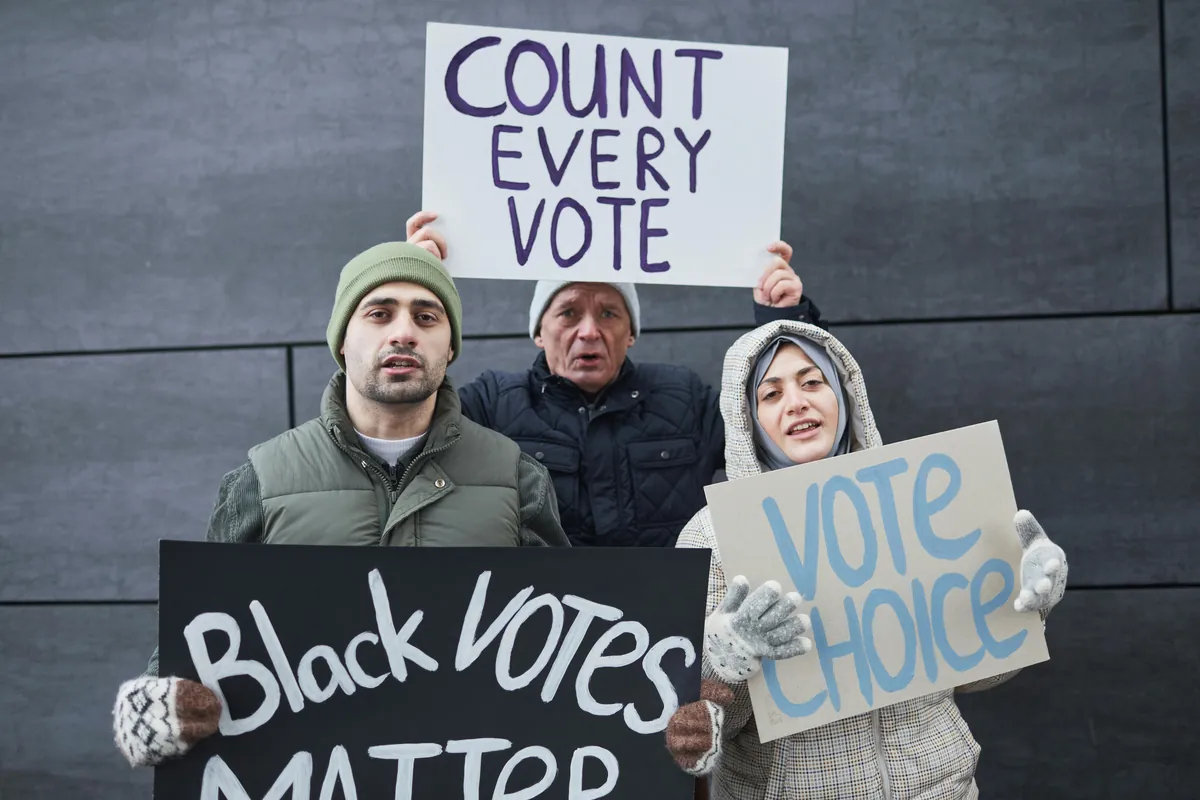
The s&p index is more than just a number on your screen—it’s a vital barometer of the U.S. economy and a key indicator of market confidence. But what happens when political turbulence sweeps through Washington or across global capitals? Suddenly, the steady climb or predictable dips of the S&P index can become volatile and unpredictable. Understanding this dynamic is crucial for investors and policymakers alike.
Political decisions can steer economic policies that impact corporate earnings, interest rates, and investor sentiment. And since the s&p index tracks the performance of 500 leading publicly traded companies in the U.S., any ripple in the political pond tends to create waves in the market. This connection makes the interplay between politics and the S&P index a fascinating, yet complex, area to explore.
In this article, we’ll dive into how political events influence the S&P index, why these impacts matter, and what investors should keep an eye on to navigate these fluctuations wisely.
What Is the S&P Index and Why It Matters
Before diving into the political impact, it’s important to understand what the S&P index really represents. Officially known as the S&P 500, this index tracks the stock performance of 500 large-cap U.S. companies. It’s widely regarded as a benchmark for the overall health of the American stock market.
Because the S&P index includes a diverse mix of sectors—from technology to healthcare to energy—it tends to reflect broad economic trends. Investors, economists, and policymakers often look at the index to gauge market sentiment and economic prospects.
How Political Events Influence the S&P Index
Elections and Policy Shifts
Elections are perhaps the most direct political events that impact the S&P index. The prospect of a new administration often leads to speculation about regulatory reforms, tax policies, and fiscal spending. For example, a government promising corporate tax cuts might boost investor optimism, pushing the S&P index higher. Conversely, fears of increased regulation or trade restrictions might cause market declines.
Historical data shows that markets generally dislike uncertainty. During election seasons, volatility tends to increase until the election outcome is clear. The initial days of a new administration often bring sharp market movements as investors adjust to new policies.
Legislation and Regulatory Changes
Beyond elections, individual legislative actions can have immediate effects on the S&P index. Consider bills affecting infrastructure spending, environmental regulations, or trade agreements. Each of these can alter the profit outlook for major companies within the index, changing investor expectations.
A prime example is trade policy. Tariffs or trade deal renegotiations can impact industries such as manufacturing and technology—key components of the S&P 500—causing fluctuations in their stock prices and, by extension, the index’s overall value.
Geopolitical Tensions and Global Stability
The S&P index doesn’t operate in a vacuum. Global political events like conflicts, sanctions, or diplomatic breakthroughs often induce market reactions. Heightened geopolitical risks tend to increase market volatility, as uncertainty affects global supply chains and investor confidence. Wikipedia
For instance, intervention in oil-producing regions can push energy prices up, affecting companies in various sectors. Such events may temporarily depress or boost the S&P index depending on perceived long-term economic impacts.
Why Political Influence on the S&P Index Matters to Investors
Timing Market Entry and Exit
Understanding how political events influence the S&P index can help investors time their buys and sells more strategically. While no one can predict politics with complete accuracy, recognizing key events and their potential market effects can reduce risk and optimize returns.
Diversification and Risk Management
Political volatility often accelerates market swings. Savvy investors use insights about political risk to diversify portfolios across sectors less affected by policy shifts. For example, utilities and consumer staples sometimes prove more resilient during political uncertainty compared to cyclical sectors like industrials.
Long-Term Strategy and Policy Trends
Political climates also shape the long-term economic environment. For instance, a government prioritizing green energy investments can create growth opportunities in renewable sectors contained within the S&P index. Investors attuned to such trends can position their portfolios to benefit along the way.
How to Track Political Events Affecting the S&P Index
Stay Updated on Legislative Calendars
Major legislative sessions, budget releases, and court rulings can all influence political direction. Following these calendars helps investors anticipate possible market moves before they happen.
Follow Key Political Figures and Statements
Speeches, policy proposals, and statements from influential politicians and regulators often move markets. Real-time news alerts focusing on such events are useful tools for investors who want to react quickly.
Use Market Indicators for Sentiment Analysis
Volatility indexes like the VIX often spike around political events and can provide insight into market anxiety. Tracking these alongside the S&P index can help gauge when political tension is translating into market risk.
The Takeaway: Politics and the S&P Index Are Inextricably Linked
Political developments shape the economic landscape in profound ways—and the S&P index acts as the financial reflection of these changes. For investors, understanding the interplay between politics and market performance is essential to making informed decisions.
While political uncertainty can be challenging, it also presents opportunities. By staying informed about upcoming political events and assessing their potential impact on the S&P index, investors can better navigate the shifting market terrain. The key is balancing awareness with a disciplined investment strategy that accounts for both risk and reward in politically charged environments.
FAQ
How does the S&P index react during U.S. presidential elections?
The S&P index often becomes more volatile during election periods due to uncertainty about future policies. Market reactions depend on investors’ expectations of the winning candidate’s impact on economic and corporate policies.
Can geopolitical conflicts outside the U.S. affect the S&P index?
Yes. Global political tensions can affect the S&P index by disrupting supply chains, impacting commodity prices, or creating economic uncertainty, which influences investor sentiment and corporate earnings.
What sectors in the S&P index are most sensitive to political changes?
Sectors like financials, energy, and industrials tend to be more sensitive to political developments due to their ties with regulation, trade policies, and government spending. Consumer staples and utilities often show more stability during political turbulence.
Should investors avoid the S&P index during political uncertainty?
Not necessarily. While political uncertainty can cause volatility, the S&P index represents a broad market spectrum that often recovers over time. Investors should focus on long-term goals and diversify to mitigate risk rather than avoid the index altogether.
How can investors best prepare for political events impacting the s&p index?
Staying informed with reliable news sources, understanding key political timelines, and adjusting portfolios to manage risk and seize opportunities are effective strategies to prepare for political influences on the S&P index.