In recent months, Chicago has once again become a focal point for protests that have drawn nationwide attention. From calls for police reform to demands for social justice and economic equity, the city’s streets have witnessed a series of demonstrations that reveal deep-seated concerns and complex community dynamics. This article offers a comprehensive overview of the latest chicago protest news, providing context, insight, and analysis on the events shaping the city’s political landscape. Politico politics and policy
The Current Wave of Protests in Chicago
Chicago has a long history as a hub for political activism, and the current spate of protests continues this legacy. The most recent demonstrations have centered on several key issues, including police accountability, systemic racism, housing insecurity, and labor rights. Mobilized by local activists, community groups, and sometimes national organizations, these protests have taken place across different neighborhoods, drawing diverse participants united by shared demands for change.
One major catalyst for the renewed activism was a series of incidents involving police use of force, which reignited calls for systemic reform within the Chicago Police Department (CPD). Alongside these, broader concerns about social inequality—exacerbated by economic pressures and the lasting effects of the pandemic—have contributed to widespread civic unrest.
Notable Protest Events
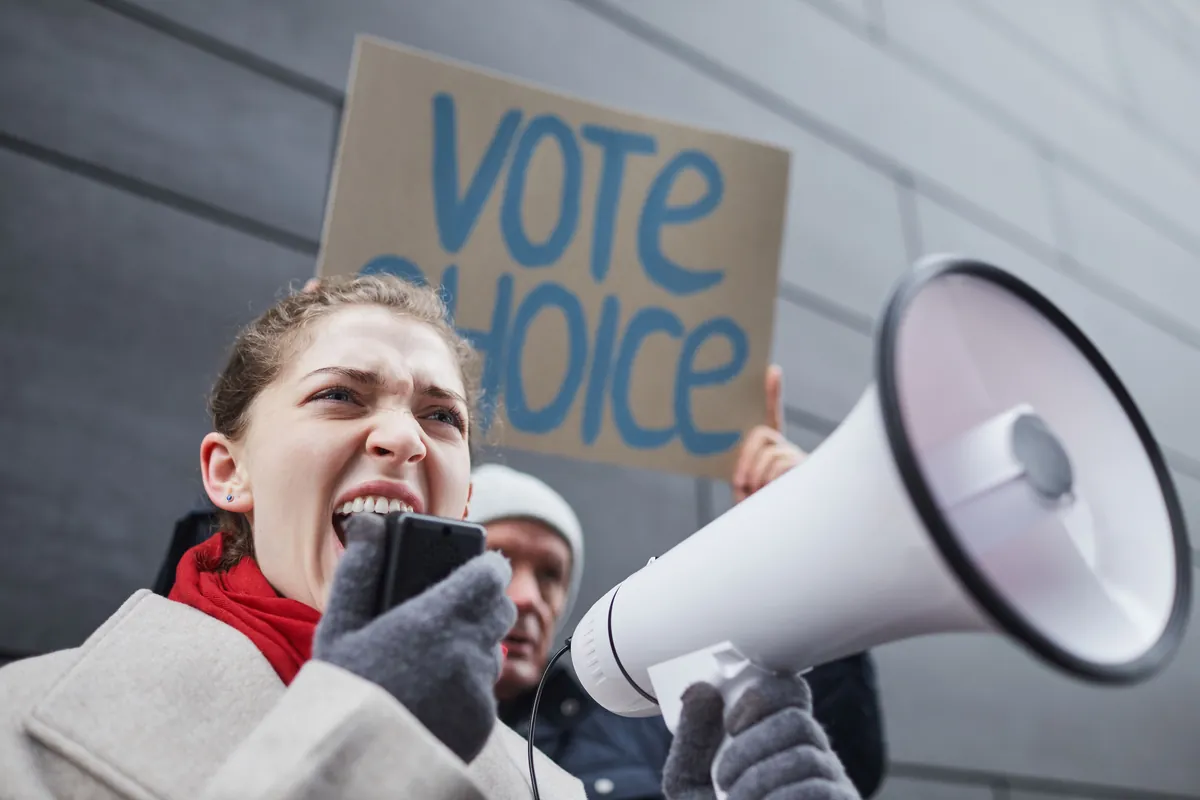
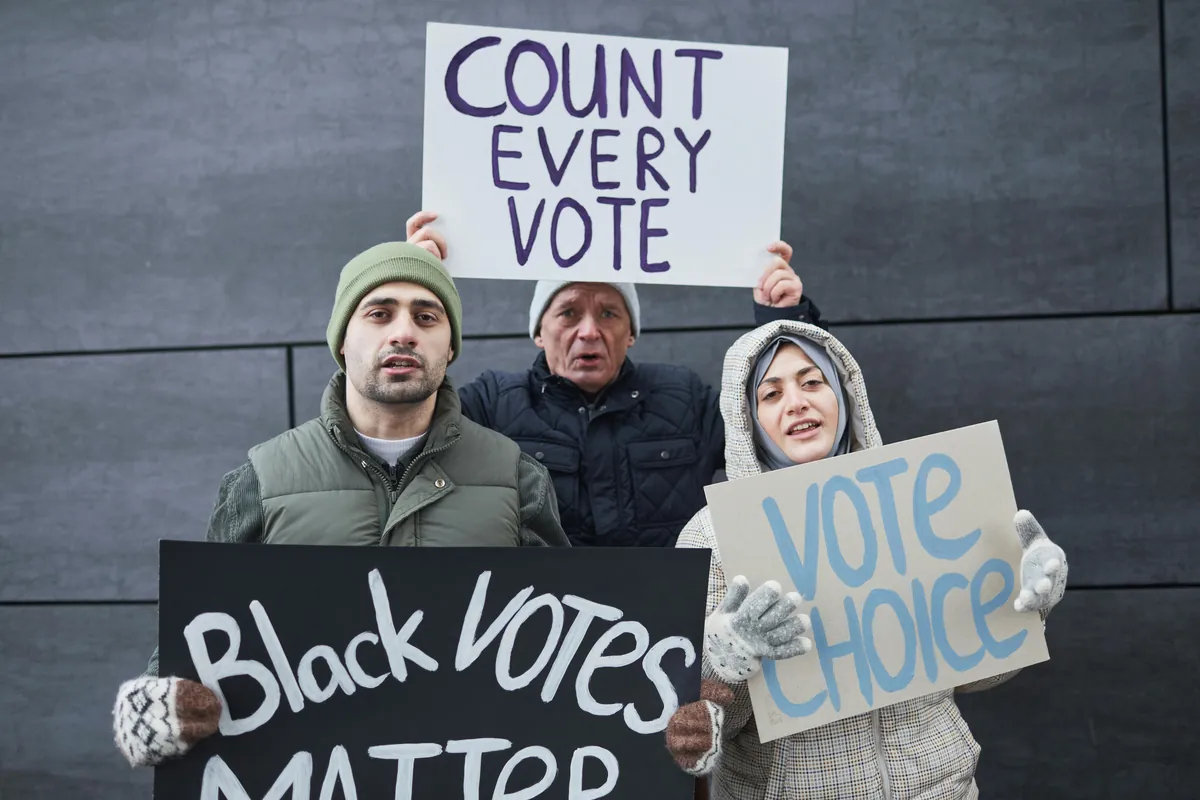
Among the notable events in recent Chicago protest news was a large-scale march downtown, where thousands gathered to demand criminal justice reform and an end to police violence. The march remained peaceful for the most part but included moments of tension, particularly around the interactions between demonstrators and law enforcement officers.
In addition to citywide marches, localized protests have occurred in neighborhoods such as Bronzeville and Austin, where residents have voiced concerns about gentrification and displacement. These smaller yet impactful gatherings emphasize the intertwined nature of economic and racial justice issues in Chicago.
Historical Context: Chicago’s Legacy of Protest
Understanding today’s protests requires an appreciation of Chicago’s history of activism, which spans over a century. From labor strikes in the early 20th century to civil rights movements and anti-war demonstrations, the city has consistently been a stage for public dissent and political engagement.
One landmark moment was the 1968 Democratic National Convention protests, which brought national scrutiny to Chicago’s political and policing tactics. More recently, the Black Lives Matter movement has energized new generations of activists, particularly after high-profile incidents of police violence both locally and nationally.
This historical backdrop underscores why the city’s current protest culture remains so vibrant and consequential. Activists often draw on the legacy of past movements to inform their strategies and goals.
Key Issues Driving Chicago’s Protests
Police Reform and Accountability
Police reform remains at the heart of many Chicago protests. Demonstrators are pushing for measures such as increased transparency, civilian oversight of the police force, and changes in use-of-force policies. The CPD has faced intense scrutiny over incidents involving excessive force, leading to calls for comprehensive reform from policymakers and community leaders alike.
The city has responded with some policy shifts, including new training programs and the adoption of body cameras across the department. Yet, many activists contend that these changes are insufficient without deeper structural reform and accountability.
Social and Economic Justice
Beyond policing, protesters in Chicago are advancing a broader agenda that addresses systemic inequality. Issues such as affordable housing, wage disparities, and healthcare access have taken center stage. Many demonstrators emphasize the interconnectedness of these challenges, especially in neighborhoods disproportionately affected by poverty and disinvestment.
For example, protests in the city’s West and South Side have highlighted the struggle against displacement caused by gentrification and real estate speculation. Activists have called for rent control and stronger tenant protections amid rising living costs.
The Role of Community Organizations and Leaders
Local community organizations have played a critical role in organizing and sustaining Chicago’s protests. Groups such as the Chicago Alliance Against Racist and Political Repression (CAARPR), Black Lives Matter Chicago, and various neighborhood-based coalitions have mobilized residents and coordinated actions around shared goals.
Community leaders, including clergy, educators, and activists, have been instrumental in framing protest demands and engaging with city officials. Their involvement has helped shape policy conversations and keep public attention focused on the issues raised by demonstrators.
Engagement with City Officials
In response to sustained protest pressure, Chicago’s political leadership has taken steps toward dialogue and reform. Mayor Lori Lightfoot, in particular, has met with activists to discuss policing and social equity initiatives. However, critics argue that progress has been slow and that more decisive action is needed to address the root causes of unrest.
City council debates have included proposals for increased funding for social services and community programs, but disagreements remain over priorities and implementation strategies.
Impact of Chicago’s Protests on National Dialogue
Chicago’s protests have reverberated beyond city limits, contributing to a broader national conversation on justice and reform. The city’s experiences reflect many challenges faced by urban centers across the United States, making its developments a bellwether for similar movements.
Media coverage of Chicago protest news has highlighted both the resilience of activists and the complexities of managing civil unrest in a large metropolitan environment. These narratives influence public opinion and policy discourse nationwide, underscoring the significance of Chicago’s protests in the political landscape.
Looking Ahead: What Comes Next for Chicago?
As Chicago continues to grapple with the issues fueling protests, the path forward remains uncertain but critical. The city faces the challenge of balancing public safety with respecting the right to peaceful assembly, while simultaneously addressing the systemic inequities driving unrest.
Ongoing advocacy, policy experimentation, and community engagement will shape Chicago’s political future. The persistence of protests signals that many residents remain eager for meaningful change, holding elected officials accountable to their commitments.
The coming months will likely see continued activism, policy debates, and efforts to rebuild trust between communities and institutions. Observers nationwide will be watching closely to see how Chicago navigates these complex dynamics.
Frequently Asked Questions
What sparked the recent protests in Chicago?
The most recent protests were sparked primarily by incidents involving police use of force, combined with long-standing grievances related to systemic racism, economic inequality, and housing insecurity.
How has the Chicago city government responded to protest demands?
The city government has introduced some reforms, such as expanding police use-of-body cameras and initiating community engagement efforts. However, many activists argue that these measures fall short of comprehensive change.
Are the protests in Chicago part of a larger national movement?
Yes, Chicago’s protests align with broader national movements advocating for racial justice, police reform, and economic equity, particularly within the context of Black Lives Matter and similar campaigns.
How have local community groups influenced the protests?
Local organizations have been key in organizing protests, educating the public, and advocating for policy reforms. They serve as mediators between residents and government officials, helping to sustain momentum and focus demands.
What challenges does Chicago face in addressing protester concerns?
Chicago faces challenges including rebuilding community trust in law enforcement, addressing economic disparities, preventing displacement, and ensuring peaceful dialogue amidst often tense demonstrations.