In today’s fast-paced political landscape, staying informed about the latest global events is more critical than ever. This current event article delves into some of the most significant political developments worldwide, analyzing their implications and the forces driving these changes. From international diplomatic shifts to domestic political upheavals, understanding these dynamics helps shape an informed electorate and responsible policy discussions.
Introduction: The Importance of Current Political Awareness
Political events do not occur in isolation; they are shaped by historical trends, economic factors, social movements, and international relations. This current event article aims to provide a comprehensive overview of recent political occurrences, offering clarity on their context and potential future impact. By examining these developments, readers gain insight into how governments, political parties, and citizens navigate power, governance, and diplomacy in an increasingly interconnected world.
Recent Major Political Developments Around the World
Shifts in Global Alliances and Diplomacy
One of the defining features of current global politics is the realignment of alliances. Countries are reassessing partnerships as geopolitical priorities evolve. For example, recent diplomatic engagements between major powers such as the United States, China, and the European Union reflect a complex interplay of cooperation and competition.
In particular, discussions around trade agreements, climate change policies, and security cooperation have intensified. The ongoing tensions in regions like Eastern Europe and the South China Sea highlight the challenges of maintaining regional stability while pursuing national interests. This current event article examines these diplomatic currents, illustrating how states balance confrontation and collaboration to secure their goals. The Hill politics news
Domestic Political Upheavals and Electoral Dynamics
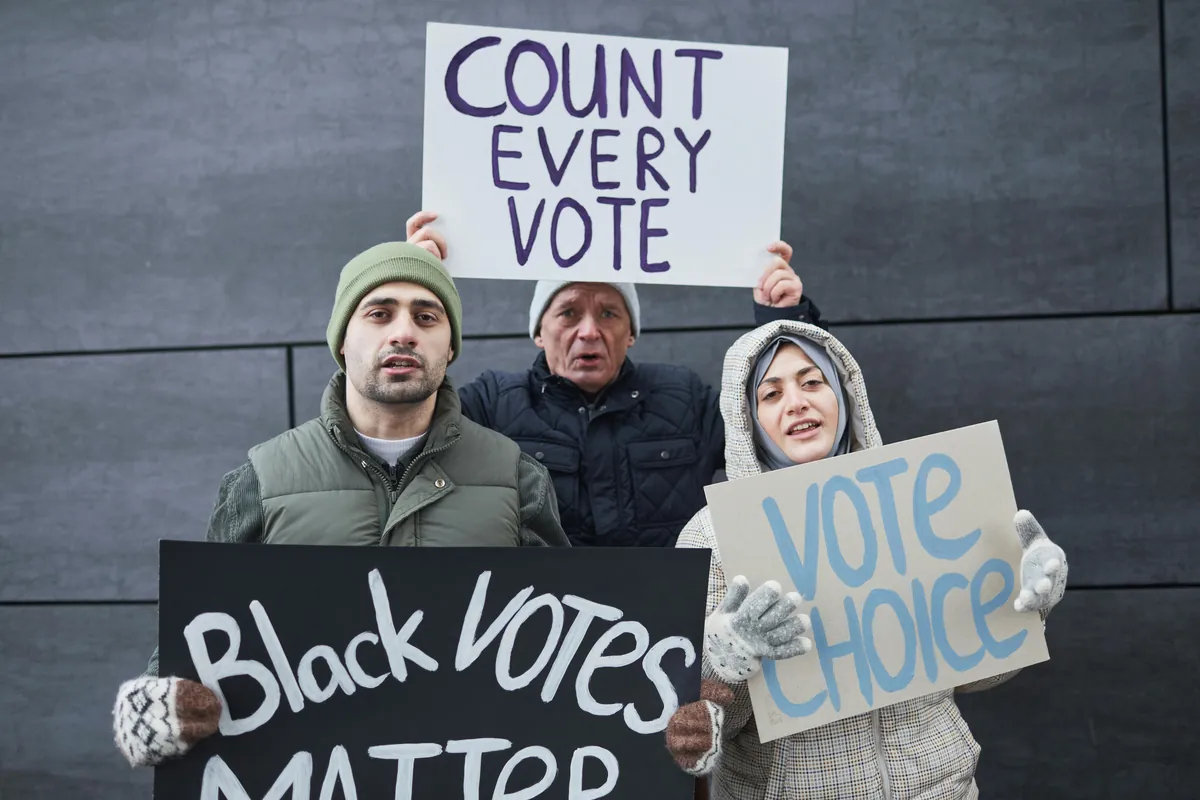
Several countries have experienced notable domestic political shifts in recent months. These changes often stem from public dissatisfaction with governance, economic performance, or social policies. For instance, nationwide protests in some democracies have pressured governments to reconsider controversial reforms or address systemic inequalities.
Furthermore, upcoming elections in key nations are poised to reshape political landscapes. Electoral campaigns, candidate platforms, and voter turnout trends serve as crucial indicators of public sentiment. This current event article highlights examples such as legislative elections in Latin America and leadership contests in parts of Asia, emphasizing how electoral outcomes could influence both national and regional stability.
Climate Policy as a Political Catalyst
Climate change has emerged as a pivotal issue that increasingly influences political agendas worldwide. Governments face mounting pressure from citizens and international organizations to implement sustainable policies. The political debates surrounding energy transitions, environmental regulations, and economic impacts reveal the complexity of integrating climate considerations into governance.
This article explores recent policy announcements and international climate summits, explaining how politics both drives and is shaped by environmental imperatives. Political parties’ stances on climate action often serve as defining features in elections, underscoring the issue’s rising prominence in political discourse.
Historical Context: How Past Political Trends Inform Today’s Events
Understanding current political developments requires a look back at historical trends. The legacy of Cold War rivalries, post-colonial state formations, and democratization waves provides essential context for interpreting today’s events. Many contemporary conflicts and alliances have deep roots in these historical processes.
For example, the enduring political divisions in parts of Europe and the Middle East often trace back to past treaties and colonial borders. Similarly, the global economic order shaped by institutions established after World War II continues to affect trade and diplomatic relations. This current event article ties these historical threads to present-day developments, illustrating continuity and change in global politics.
Implications and Future Outlook
Political developments documented in this current event article carry significant implications for international stability, economic prosperity, and social cohesion. Shifts in power dynamics can lead to changes in policy priorities, with ripple effects across regions and sectors.
Looking ahead, the interplay between technological innovation, populism, and geopolitical competition will likely define future political landscapes. Policymakers must adapt to rapidly changing conditions, while citizens play a vital role in demanding transparency and accountability.
By monitoring ongoing political trends and understanding their foundations, stakeholders can better anticipate challenges and opportunities in governance and international relations.
Frequently Asked Questions
What is the significance of tracking current political events?
Keeping up with current political events helps individuals understand how decisions by governments and political actors impact society, economy, and international relations. It also fosters informed civic participation and helps anticipate future developments.
How do international alliances influence global politics?
International alliances shape diplomacy, trade, and security policies. They enable countries to pool resources, address common challenges, and counterbalance rival powers, affecting the global political order.
Why are domestic protests important in the political landscape?
Protests reflect public grievances and can drive political change by pressuring governments to modify policies or respond to social demands. They also highlight underlying issues such as inequality or governance deficits.
In what ways does climate policy intersect with politics?
Climate policy impacts economic sectors, energy strategies, and international agreements. Political debates around climate action influence legislation, electoral platforms, and global cooperation efforts to address environmental challenges.
How can historical context help us understand current political events?
Historical context provides insight into the origins of conflicts, alliances, and political systems. It helps explain why certain disputes persist and how past decisions shape present-day governance and diplomacy.