In recent years, Taiwan’s political landscape has garnered increasing global attention. One term that has surfaced in political discussions and online searches is “taiwan satta.” Though it may sound unfamiliar to many, it encapsulates a range of political dynamics and social conversations about Taiwan’s evolving identity and governance. This article aims to unpack the meaning behind Taiwan Satta, explore its political significance, and examine its implications on both domestic and international stages.
What Is Taiwan Satta?
The phrase “Taiwan Satta” is often encountered in digital circles, particularly relating to political debates and online forums where discussions about Taiwan’s sovereignty, elections, and governance take place. While “Satta” in some languages refers to betting or gambling, in the context of Taiwan, it has come to signify the unpredictable and rapidly shifting nature of the island’s politics.
Taiwan Satta thus reflects the complexity and sometimes volatility inherent in Taiwan’s political arena. The term embodies the high stakes and strategic calculations undertaken by political parties, voters, and external actors who watch Taiwan’s developments closely.
Historical Background: Taiwan’s Political Evolution
From Authoritarian Rule to Democracy
Taiwan’s political journey has been marked by significant transformations. After the Chinese Civil War, the Kuomintang (KMT) retreated to Taiwan in 1949 and established an authoritarian regime. For decades, Taiwan was under martial law with limited political freedoms.
The 1980s and 1990s brought sweeping democratic reforms. The lifting of martial law in 1987 paved the way for free elections, the emergence of multiple political parties, and a vibrant civil society. Today, Taiwan stands as one of Asia’s most successful democracies, with lively political competition and high voter engagement.
The Rise of Political Parties
Two major parties, the Kuomintang (KMT) and the Democratic Progressive Party (DPP), dominate Taiwan’s political scene. The KMT traditionally favors closer ties with mainland China, while the DPP advocates for Taiwan’s distinct identity and greater autonomy. This rivalry shapes much of Taiwan’s domestic policy and international positioning.
Taiwan Satta and Electoral Politics
The 2020 and 2024 Elections
In the context of elections, Taiwan Satta captures the intense competition and uncertainty that define Taiwanese political contests. The 2020 presidential election witnessed a decisive victory for incumbent Tsai Ing-wen of the DPP, signaling public support for maintaining distance from China amid rising geopolitical tensions.
Looking ahead to the 2024 elections, political analysts and commentators have noted the unpredictability of outcomes, with shifts in voter sentiment closely monitored. Taiwan Satta in this sense highlights the “game” of electoral betting — where every campaign development, policy shift, or external event can alter predictions. The Hill politics news
Public Engagement and Political Activism
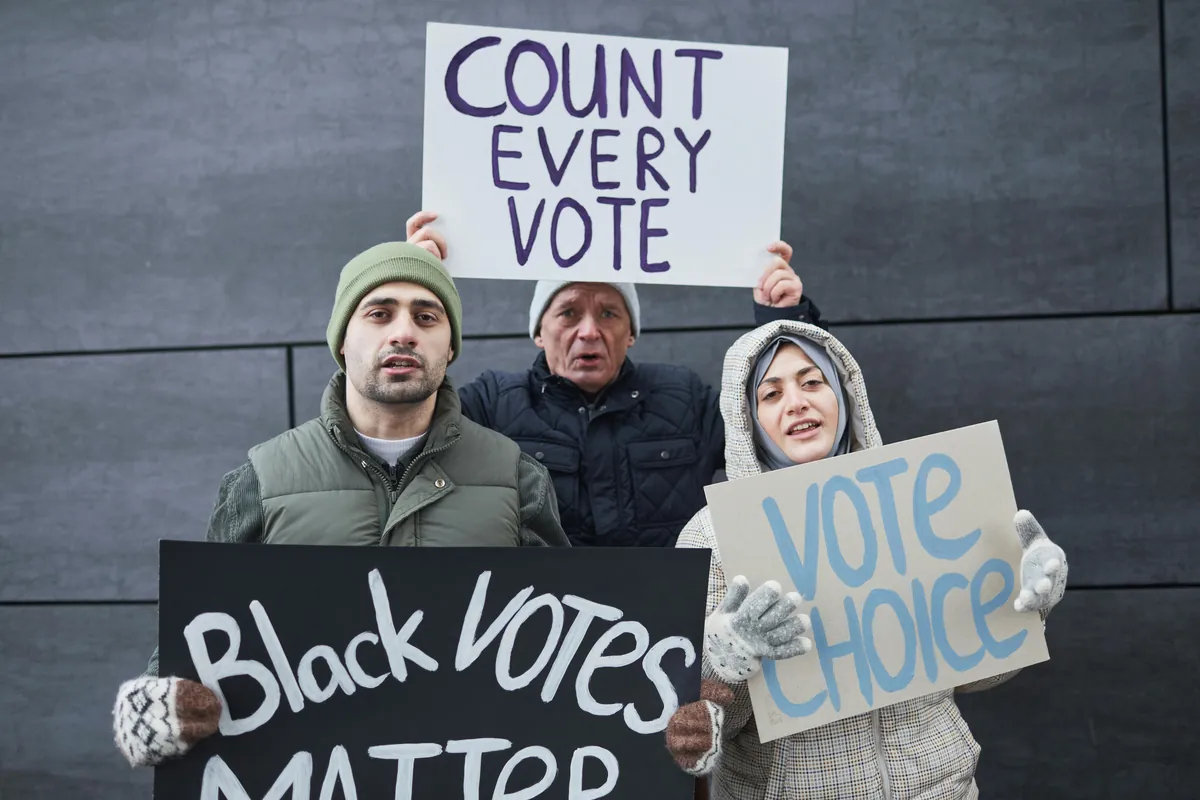
Another dimension of Taiwan Satta lies in the high level of public engagement in politics. Taiwanese citizens actively participate in debates, protests, and advocacy, shaping the country’s democratic process. This dynamic environment contributes to the perceived unpredictability encapsulated by the term.
International Implications of Taiwan’s Political Landscape
Cross-Strait Relations
Taiwan’s political status remains a flashpoint in cross-strait relations with China. Beijing views Taiwan as a breakaway province and has not ruled out the use of force to achieve reunification. Conversely, Taiwan’s government insists on its sovereignty and democratic credentials.
Taiwan Satta’s relevance extends to this international dimension, as each political development on the island can influence diplomatic relations and security calculations in the region. Political shifts may invite reactions ranging from economic sanctions to increased military posturing.
Global Strategic Interests
The United States, Japan, and several other countries have strategic interests in the Indo-Pacific, with Taiwan as a key player. Taiwan’s democratic resilience and its role in the global technology supply chain, particularly in semiconductor manufacturing, enhance its geopolitical significance.
Consequently, Taiwan Satta also represents the fragile balance of power in the region where domestic politics intersect with broader strategic contests, making understanding Taiwan’s internal political nuances essential for international observers.
Social Media and the Role of Taiwan Satta Online
The term Taiwan Satta has increasingly been popularized via social media platforms. Online communities track polls, election forecasts, and political rumors, sometimes treating Taiwan’s political future like a high-stakes game.
This phenomenon reflects both heightened political awareness and the risks of misinformation or oversimplification. It underscores the need for reliable sources and informed commentary on Taiwan’s complex political issues.
Conclusion: Navigating Taiwan’s Complex Political Terrain
Taiwan Satta, as a concept, embodies the spirited, uncertain, and high-stakes nature of Taiwan’s political environment. Understanding its nuances requires a grasp of Taiwan’s democratic progress, party rivalries, electoral dynamics, and the broader geopolitical context.
For policymakers, analysts, and the general public, staying informed about Taiwan’s political developments is vital. As Taiwan continues to assert its identity and navigate pressures from mainland China and international actors, Taiwan Satta remains a useful lens to appreciate the island’s vibrant and dynamic political landscape.
Frequently Asked Questions
What does Taiwan Satta mean?
Taiwan Satta is a term used to describe the unpredictable and high-stakes nature of Taiwan’s political scene, often relating to elections and political competition.
Why is Taiwan’s political landscape considered volatile?
Taiwan’s political volatility stems from intense competition between major parties, public activism, and external pressures from China, making its future developments difficult to predict.
How do Taiwan’s elections impact international relations?
Elections influence Taiwan’s stance toward China and affect alliances with countries like the US and Japan, thereby shaping regional security and diplomatic dynamics.
Is Taiwan a democracy?
Yes, Taiwan is a thriving democracy with free elections, multiple political parties, and active civic participation.
How can I follow Taiwan’s political developments reliably?
Stay updated through trusted news outlets, official government announcements, and expert analyses to avoid misinformation and understand complex political trends in Taiwan.